Our Blog Posts

Search Engine Optimization

The Power of On‑Page SEO: Optimizing for Success

Search engines thrive on clarity, and on‑page SEO is the art of making your website easy to understand. At its core, on‑page optimization involves refining elements like titles, meta descriptions, headers, and keyword placement. When these are aligned with user intent, search engines reward your site with higher visibility. But on‑page SEO isn’t just about sprinkling keywords—it’s about creating a seamless experience. A well‑structured page with clear headings guides readers naturally through your content. Optimized images with alt text improve accessibility while boosting relevance. Internal linking ensures visitors explore more of your site, reducing bounce rates and signaling authority. Another crucial factor is content quality. Search engines prioritize pages that answer questions thoroughly and provide genuine value. Crafting blog posts that solve problems, share insights, or offer step‑by‑step guides builds trust with both users and algorithms. Finally, don’t overlook technical aspects like mobile responsiveness and page speed. A slow or clunky site can undo all your optimization efforts. By combining technical precision with engaging content, on‑page SEO becomes the foundation of digital success.
SEO and User Experience: Two Sides of the Same Coin

Search engines have evolved to prioritize user satisfaction. That means SEO and user experience (UX) are now inseparable. A site that ranks well but frustrates visitors won’t sustain success.

Navigation is a key factor. Clear menus, logical page structures, and intuitive design help users find what they need quickly. When visitors stay longer and engage more, search engines recognize the value of your site.

Page speed is another critical element. Studies show that users abandon sites that take more than a few seconds to load. Optimizing images, leveraging caching, and using efficient code can dramatically improve performance.

Mobile optimization is no longer optional. With most searches happening on smartphones, a responsive design ensures accessibility across devices.

Content presentation also impacts UX. Breaking text into digestible sections, using visuals, and maintaining readability keeps audiences engaged.

Ultimately, SEO isn’t just about pleasing algorithms—it’s about serving people. When you prioritize user experience, rankings follow naturally.

Email Marketing

The Art of Crafting High‑Impact Email Campaigns

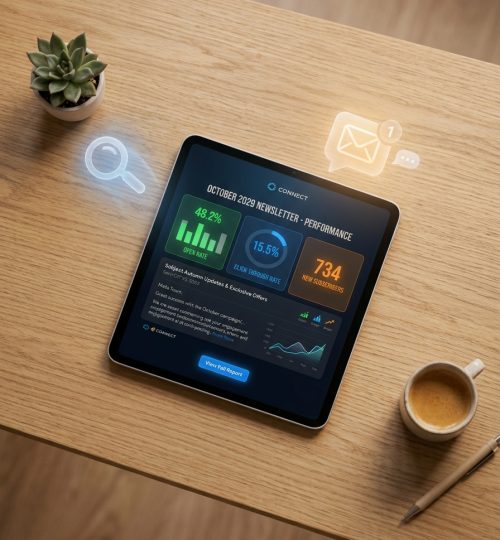
Email marketing remains one of the most cost‑effective ways to connect with customers, but success depends on more than just hitting “send.” A high‑impact campaign begins with understanding your audience. Segmenting your email list ensures that each subscriber receives content tailored to their interests, increasing engagement and reducing unsubscribes. The subject line is your first impression. Short, clear, and curiosity‑driven subject lines boost open rates. Personalization—like including the recipient’s name or referencing past interactions—creates a sense of connection. Content should be concise yet valuable. Whether you’re sharing promotions, insights, or updates, focus on delivering information that solves problems or adds value. Visuals such as banners or infographics enhance readability, while clear calls‑to‑action (CTAs) guide readers toward the next step, whether it’s visiting your website or making a purchase. Timing also matters. Sending emails when your audience is most active—often mid‑week mornings—can significantly improve results. Testing different send times and formats through A/B testing helps refine your strategy. Finally, track performance metrics like open rates, click‑through rates, and conversions. These insights allow you to continuously improve campaigns. With thoughtful planning and execution, email marketing becomes a powerful tool to nurture leads, build loyalty, and drive measurable business growth.

Building Trust Through Email Marketing Automation

Automation has transformed email marketing from a manual task into a strategic powerhouse. By setting up automated workflows, businesses can deliver the right message at the right time without constant oversight. Welcome emails are a prime example. When someone subscribes, an automated greeting introduces your brand and sets expectations. This immediate engagement builds trust and encourages further interaction Drip campaigns take automation further by nurturing leads over time. A series of emails can educate prospects, showcase services, and gradually move them toward conversion. Each step feels personalized, even though it’s automated. Behavior‑based triggers are another powerful tool. If a customer abandons a shopping cart, an automated reminder can recover the sale. If they download a guide, follow‑up emails can provide related resources. These timely responses show attentiveness and strengthen relationships. Automation also ensures consistency. Instead of sporadic communication, subscribers receive regular, relevant updates. This reliability fosters trust and positions your brand as dependable. The key is balance—automation should enhance personalization, not replace it. By combining smart workflows with authentic messaging, email marketing automation builds lasting connections and drives sustainable results.
Social Media Marketing

Harnessing the Power of Social Media for Brand Growth

Social media has become the heartbeat of modern marketing. Platforms like Facebook, Instagram, LinkedIn, and Twitter offer businesses unparalleled opportunities to connect with audiences, build communities, and drive conversions. But success requires more than simply posting content—it’s about strategy. The first step is defining your goals. Are you aiming to increase brand awareness, generate leads, or boost sales? Clear objectives guide the type of content you create and the platforms you prioritize. For example, LinkedIn is ideal for B2B networking, while Instagram thrives on visual storytelling. Consistency is key. A regular posting schedule keeps your brand top‑of‑mind and signals reliability. Pair this with engaging formats—videos, reels, polls, and stories—to capture attention in crowded feeds. Equally important is interaction. Responding to comments, joining conversations, and acknowledging feedback humanizes your brand. Social media is not a one‑way broadcast; it’s a dialogue. Analytics provide the final piece of the puzzle. Tracking metrics like engagement rate, reach, and conversions helps refine your strategy. By understanding what resonates, you can double down on effective tactics and adjust underperforming ones. With thoughtful planning, social media becomes more than a marketing channel—it evolves into a powerful ecosystem where brands and customers grow together.

Social Media Advertising: Turning Clicks into Conversions

Organic reach on social platforms is valuable, but paid advertising unlocks exponential growth. Social media ads allow businesses to target audiences with precision, ensuring that every dollar spent reaches potential customers most likely to convert. The strength of social media advertising lies in its targeting capabilities. Platforms let you filter audiences by demographics, interests, behaviors, and even past interactions with your brand. This ensures your message reaches the right people at the right time. Creative design plays a crucial role. Eye‑catching visuals, compelling copy, and clear CTAs drive engagement. A carousel ad showcasing multiple products or a short video highlighting benefits often outperforms static posts. Budget management is equally important. Start small, test different ad formats, and scale campaigns based on performance. A/B testing helps identify which headlines, visuals, or offers resonate most with your audience. Retargeting ads add another layer of effectiveness. By re‑engaging users who visited your site or interacted with your content, you nurture leads and increase conversion rates. Ultimately, social media advertising is not just about clicks—it’s about building meaningful customer journeys. When executed strategically, it transforms casual browsers into loyal customers, fueling long‑term business growth.